


A circular SepticSmart Week 2026 graphic shows a cartoon maintenance worker holding a clipboard and raising one hand. The text around the circle reads “SepticSmart Week • September 14–18, 2026.” The SepticSmart logo appears on the left side.

SepticSmart Week! 

September 14, 2026 - September 18, 2026

SCDES is recognizing SepticSmart Week and encouraging homeowners to properly care for their septic systems. SepticSmart Week helps bring awareness about the importance of properly installing, using and maintaining septic systems. For more information on properly maintaining your septic system, see our Homeowner Septic System Series handouts below.

Caring for Your Septic System

How Can I Protect My Drainfield

Is My Septic System Failing

Repairing a Failing Septic System


Septic System

What is a Septic System?

A septic system is made up of a septic tank and a drain field that is sized off the bedroom count of the house. It is designed to treat and dispose of domestic wastewater through a combination of natural processes. Through these natural processes and through proper maintenance of the septic system, the waste leaving your house will be rendered ecologically safe to reenter the environment.

Why are Septic Systems Necessary?

Because connection to a wastewater treatment facility is not always available (i.e. rural areas, small communities), septic systems allow for the safe and effective treatment of waste on a small, per house scale. Proper disposal of waste is required to protect public health and the environment while preventing drinking water pollution and the spread of disease.

How Does a Septic System Work?

  1. Household wastewater is flushed.
  2. Wastewater flows into the septic tank.
  3. Heavy and light solids are broken down by bacteria that reside in the septic tank and form the scum and sludge layer.
  4. Wastewater flows out of the tank into the drain field (the scum and sludge layers remain in the tank).
  5. In the drain field, wastewater is absorbed by the soil and is broken down by natural processes.

Septic systems, like private wells, are the homeowner's responsibility. An improperly used or maintained septic system can affect an entire community by causing one or more of the following problems: a breeding area for mosquitoes and other insects, undesirable odors, costly damage caused by sewage backing up inside the home, the spread of serious diseases, and pollution of groundwater, wells, and surface waters (lakes, rivers, etc).

Parts of a Septic System

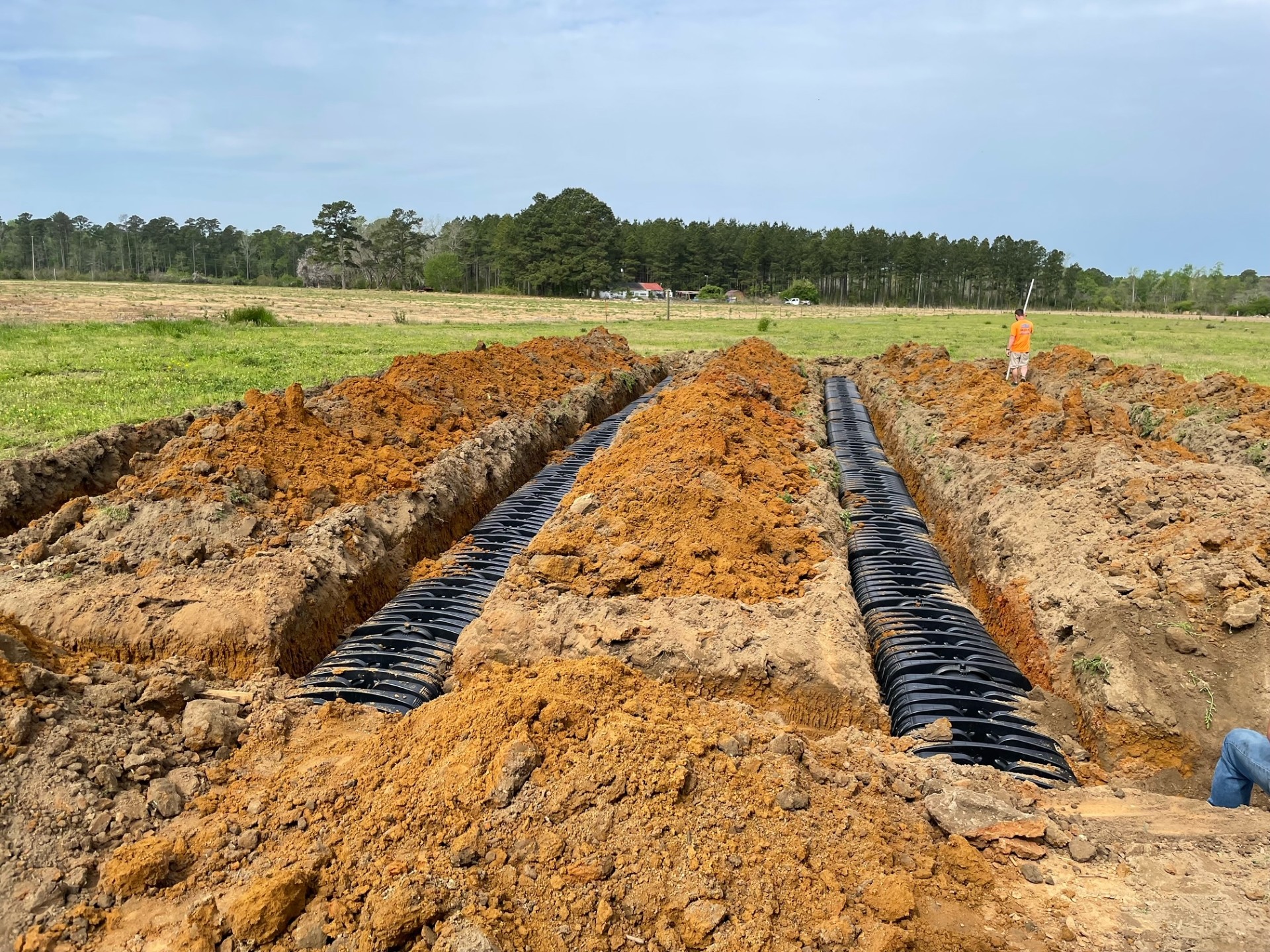
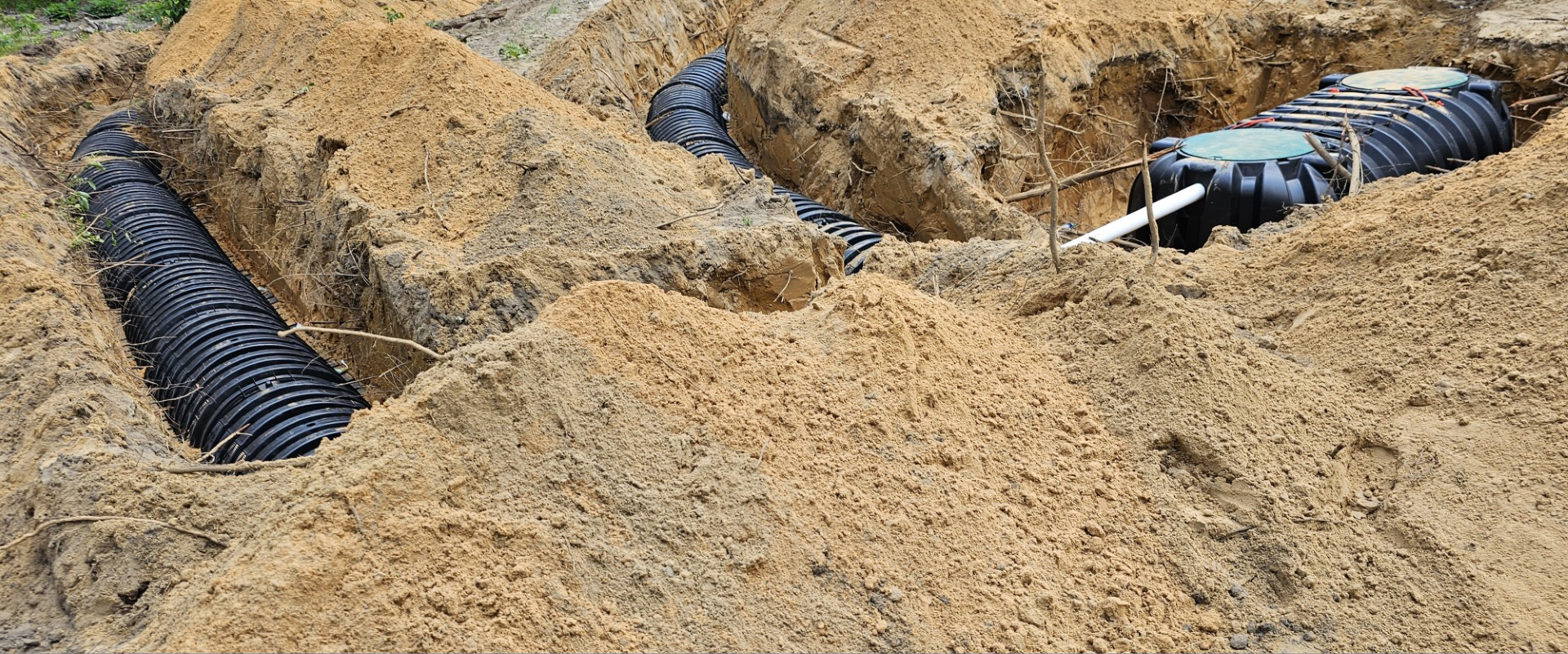
Black septic chambers installed in deep trenches surrounded by piles of sand.

The most common type of septic system has four main parts:

  1. An exit pipe that carries wastewater from the home to the septic tank and vents noxious gases up and out of the house
  2. A buried, watertight septic tank made of concrete, fiberglass, or polyethylene, usually installed about 6 feet from a home
  3. The drain field, which consists of one or more distributor boxes and a network of pipes buried in relatively shallow trenches that are usually packed with gravel or other filler
  4. The bacteria in the soil that digest most contaminants before wastewater reaches groundwater.

You can find an interactive model on how a septic system works on the EPA’s website here towards the bottom of the page.

Tags
Overview
Septic
Septic Tank Alerts
Statewide