

Back to All Blogs
 Back to All Blogs
National Preparedness Month: 3 Steps to Help South Carolina Stand Ready
Thursday, Sep 3, 2026
September is National Preparedness Month, a reminder that taking simple steps today can help you and your loved ones stay safer when an emergency happens.
South Carolina is no stranger to emergencies. Hurricanes, flooding, severe thunderstorms, tornadoes, extreme heat, wildfires and other hazards can affect communities across our state.
We can't always predict when an emergency will happen, but we can prepare for it.
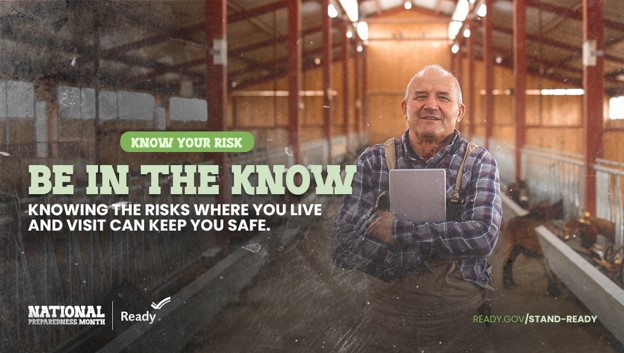
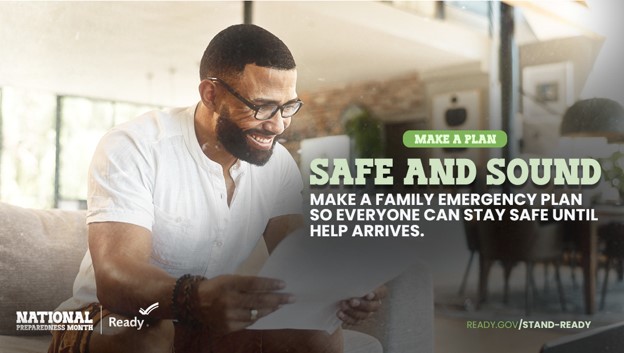
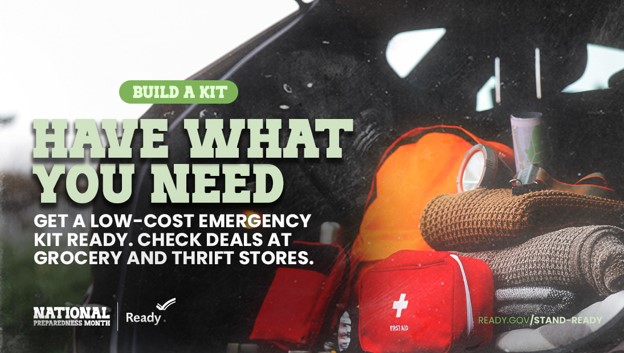
This National Preparedness Month, the South Carolina Department of Environmental Services (SCDES) encourages you to Stand Ready by taking three simple steps: be in the know, make a plan and build a kit.
- Be in the Know
Knowing your risks and knowing where to find reliable information can make a difference during an emergency.
Take time now to:
- Learn about hazards that could affect your home and community.
- Know your hurricane evacuation zone if you live in a coastal county.
- Sign up for local emergency alerts.
- Follow trusted state and local emergency management agencies.
- Make sure you can receive weather and emergency alerts on your mobile device.
- Keep a battery-powered or hand-crank radio available.
Don't wait until a storm or other emergency is approaching to figure out where to get information.
Visit the South Carolina Emergency Management Division (SCEMD) to find preparedness resources, including information about evacuation zones and emergency planning.
- Make a Plan
When an emergency happens, you may not have much time to decide what to do. Making a plan ahead of time can help your household respond quickly.
Talk with your family about:
- Where you will go if you need to evacuate.
- Where you will meet if you become separated.
- How you will communicate if cell service is unavailable.
- What you will do if you need to shelter in place.
- Who may need additional assistance.
- How you will care for pets and service animals.
Don't forget to consider the places your family regularly visits, including schools, workplaces and childcare facilities.
Review your plan regularly and update it when circumstances change.
You can find emergency planning resources at SCEMD and Ready.gov.
- Build an Emergency Kit
An emergency can disrupt access to electricity, water, food and other necessities. Having supplies ready can help your household stay safe and comfortable until conditions improve or help arrives.
You don't have to build your kit all at once. Start with items you already have and add supplies over time.
Your emergency kit should include essentials such as:
- Water and nonperishable food.
- Prescription medications and necessary medical supplies.
- Flashlights and extra batteries.
- A first aid kit.
- A battery-powered or hand-crank radio.
- A NOAA Weather Radio.
- A manual can opener.
- Personal hygiene and sanitation supplies.
- A whistle to signal for help.
- Local maps.
- Basic tools.
- Supplies for pets and service animals.
Plan to have enough supplies to meet your household's needs for at least three days.
For a complete emergency kit checklist, visit Ready.gov's Build a Kit page.
Preparedness Is a Community Effort
Being prepared isn't just about protecting yourself and your household. Prepared individuals and families help build stronger, more resilient communities.
When people know what to do, have a plan and can take care of their basic needs following an emergency, emergency responders can focus their resources on those who need immediate assistance.
You can also help your community by learning basic first aid and CPR, completing emergency preparedness training or volunteering with local organizations.
How SCDES Helps South Carolina Stand Ready
Preparedness is part of SCDES's year-round work.
During hurricanes, floods and other emergencies, SCDES works with SCEMD and other state and local partners to help protect South Carolina's residents and environment.
Our teams may support emergency response activities, monitor environmental conditions, assess damage and assist with recovery efforts.
This work reflects our commitment to Science, Service and Sustainability — using science and expertise to serve South Carolina and help protect the people, communities and environment that make our state special.
Take One Step Today
You don't have to do everything at once.
Check your alerts. Make your household plan. Add a few supplies to your emergency kit.
Every step you take now can make a difference when an emergency happens.
This National Preparedness Month, stand ready for yourself, your family and your South Carolina community.